How Much Money Do You Need to Start Investing?
You do not need thousands of dollars to start investing. Here is how to get started with any amount.
You do not need thousands of dollars to start investing. Here is how to get started with any amount.
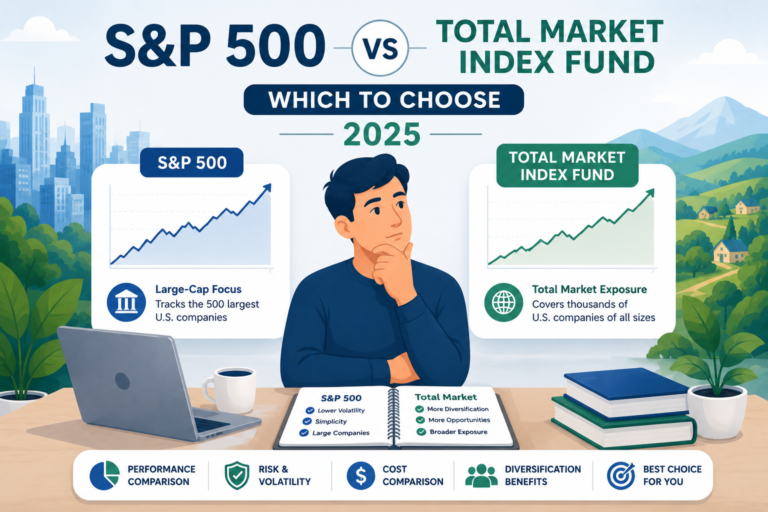
500 — Companies in the S&P 500 index — large-cap US companies only 3,700+ — Companies in the total US stock market index including small and mid-cap 82% — Percentage of total US market value represented by the S&P 500 0.1% — Annual performance difference over 30 years — S&P 500 leads by just 0.1%/yr…
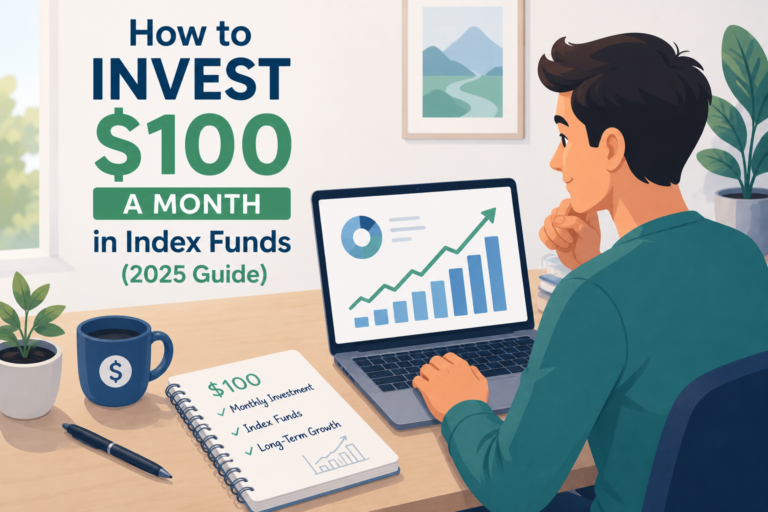
$20,484 — Value of $100/month after 10 years at 10% average annual return $76,570 — Value of $100/month after 20 years at 10% average annual return $197,393 — Value of $100/month after 30 years — you only contributed $36,000 of this 10.5% — Historical average annual S&P 500 return over 30 years through 2024 $1…
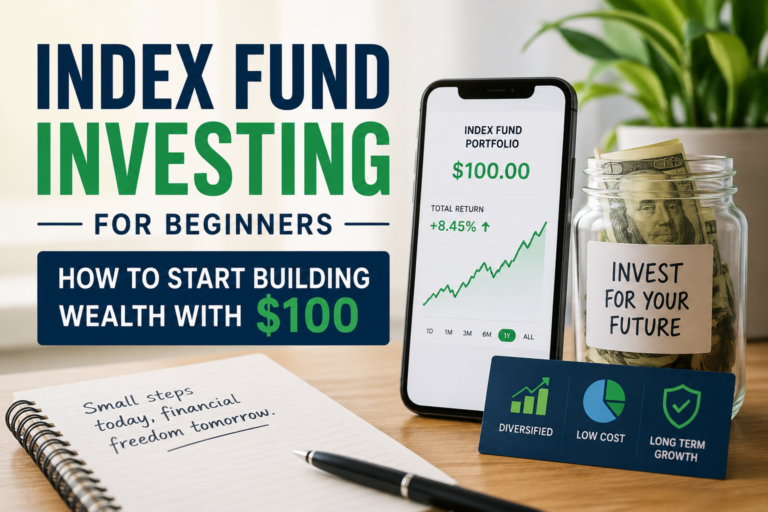
Index Fund Investing for Beginners: How to Start Building Wealth With $100 What if you could invest like the world’s most successful investors without spending hours researching stocks, paying high fees, or needing expert knowledge? Index fund investing makes this possible — and it is the strategy that Warren Buffett has famously recommended for the…

Choosing your first brokerage account is one of the most consequential financial decisions you’ll make — and it’s also one of the most confusing. There are dozens of platforms, each claiming to be best. This guide cuts through the noise to tell you exactly which brokerage is best for which type of beginner, based on…
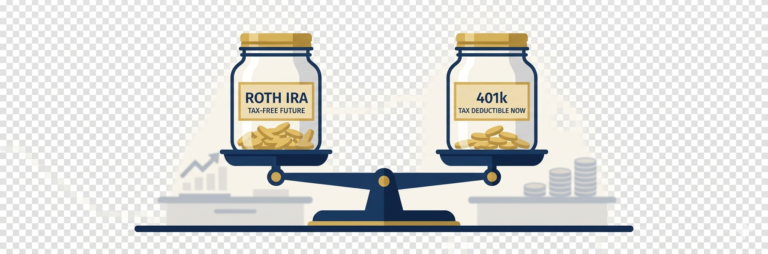
Roth IRA vs 401k is one of the most important retirement planning decisions you’ll make — and the answer isn’t the same for everyone. Both are powerful tax-advantaged investment accounts for index funds, but they have different tax treatments, contribution limits, and access rules that make one a better fit than the other depending on…
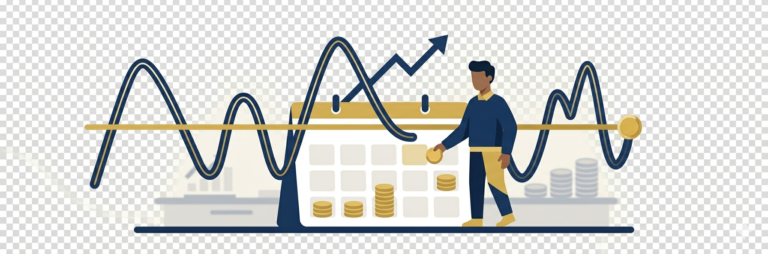
Dollar cost averaging (DCA) is one of the most discussed investing strategies — and also one of the most misunderstood. It’s frequently cited as the “safest” way to invest, but research actually shows a more nuanced picture. This guide explains exactly what DCA is, when it works best, when lump-sum investing beats it, and why…

M1 Finance positions itself as the investing app for people who want more control than a robo-advisor but less complexity than a traditional brokerage. With its “pie” portfolio system, automatic rebalancing, and fractional shares, it’s attracted millions of investors since launching. But is it actually the best choice for index fund beginners? This honest 2026…
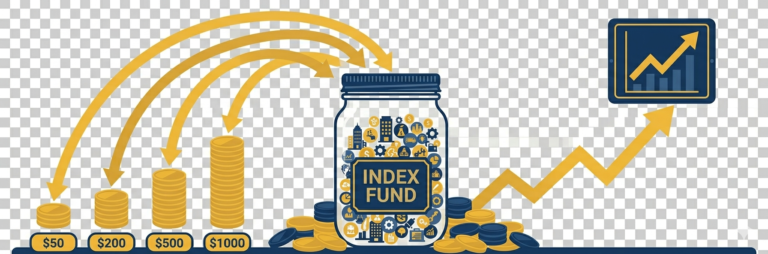
One of the most common questions from new investors is: how much should I actually invest? The honest answer is: more than you think you can, less than you’re afraid of, and starting today rather than waiting for the “right” amount. This guide gives you concrete frameworks for every income level — from investing $50/month…
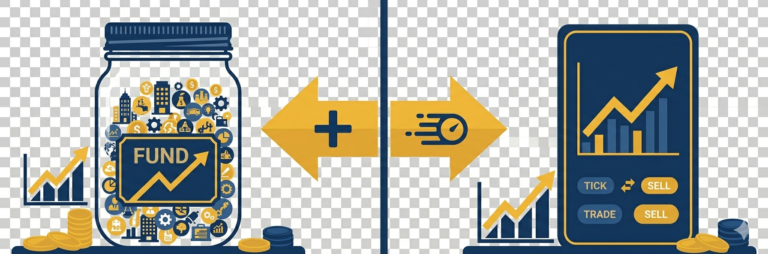
One of the most confusing things for new investors is the terminology: are index funds and ETFs the same thing? Different? Which one should you invest in? The answer is nuanced but ultimately simple for most beginners. This guide clarifies the actual differences and helps you decide which structure fits your situation. 💡 Key Insight:…